


In 2026, SEO for AI (often referred to as Search Everywhere Optimisation) encompasses two primary disciplines: using AI tools to improve traditional search rankings and optimising your own content to be cited by AI search engines and agents.
Optimising Content for AI Discovery (GEO & AEO)
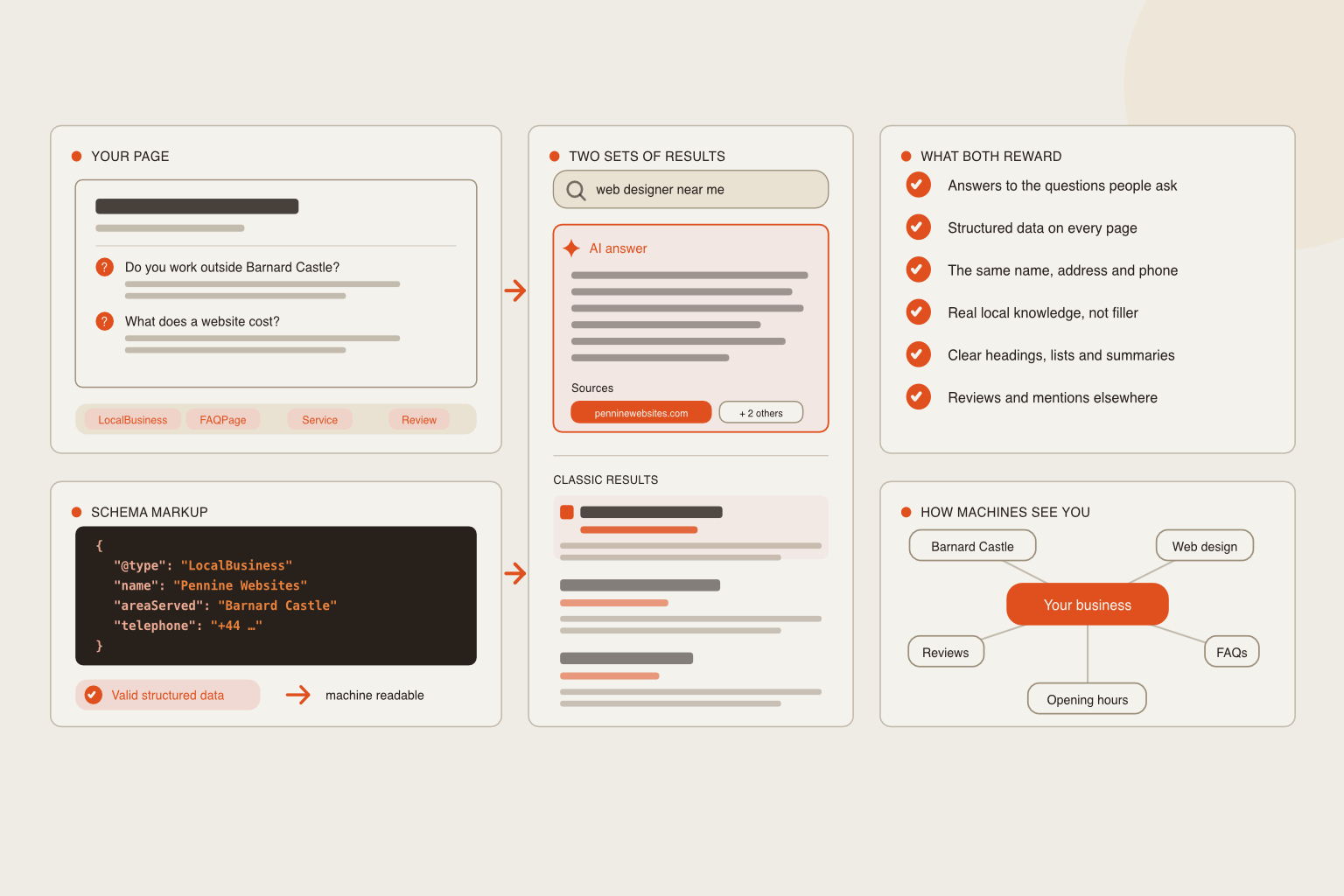
To ensure your content is "ingested" and cited by AI engines like ChatGPT, Perplexity, and Google’s AI Overviews, you must use Answer Engine Optimisation (AEO):
- Structured Information: Use clear content hierarchies with descriptive H2/H3 headings phrased as natural questions. AI agents often skip JavaScript and look for clean HTML or Markdown.
- Direct Answers: Place concise, factual answers to core questions early in your text (ideally the first 100 words) to increase the likelihood of being featured in snippets or AI summaries.
- AI-Ready Protocols: Implement llms.txt files and Schema Markup (JSON-LD) to help AI crawlers accurately interpret pricing, specifications, and reviews.
- E-E-A-T & Proprietary Data: AI tools prioritise unique insights and first-hand data over "repackaged" information. Injecting original research and personal experiences makes your content more "quotable".
AI-Powered SEO Workflows
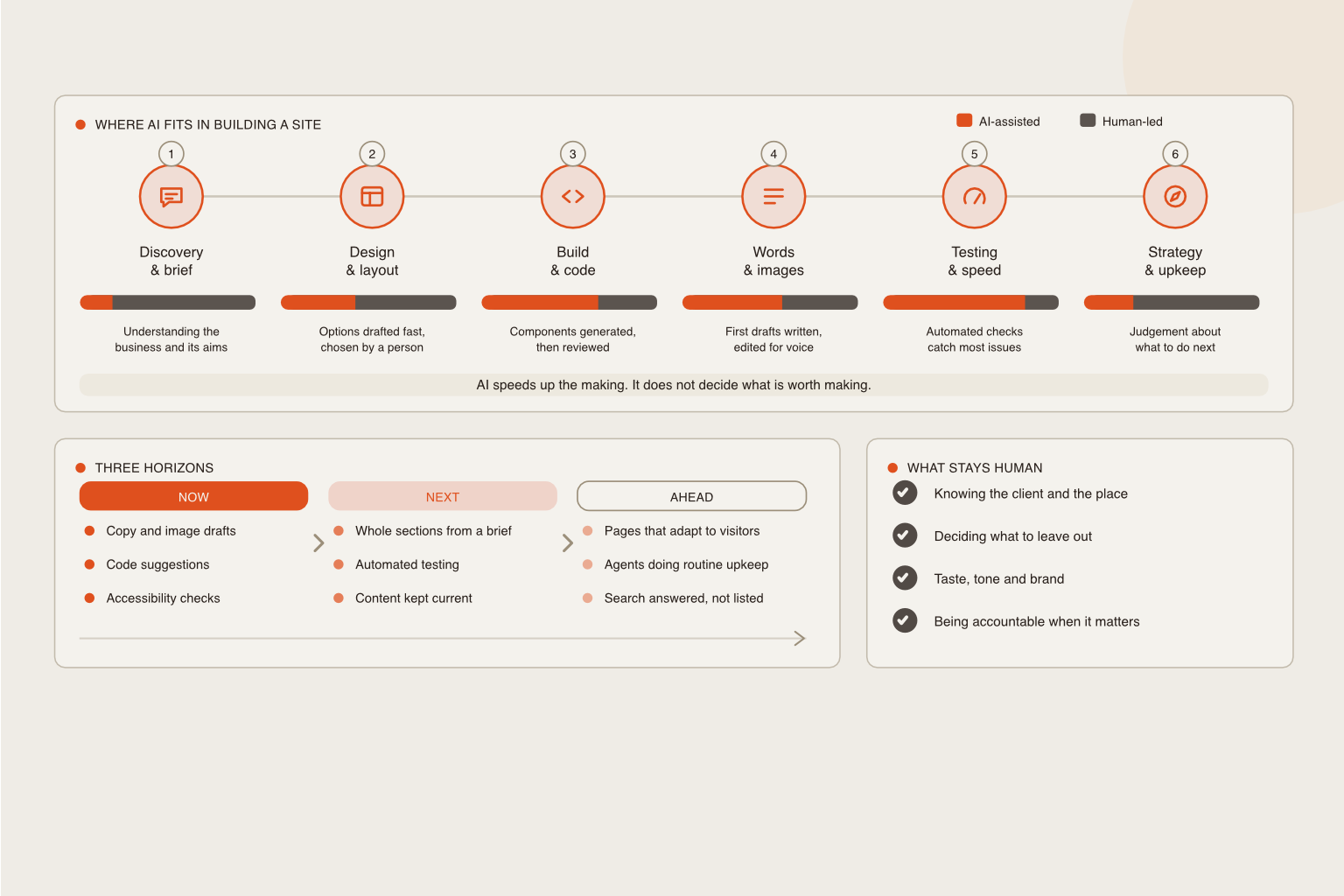
By 2026, over 58% of SEO professionals will have integrated generative AI into their daily tasks to scale production:
- Keyword Research: Tools like Ahrefs and Semrush use AI to identify niche long-tail keywords and emerging topics that traditional methods might miss.
- Technical Audits: Use automated platforms to instantly identify broken links, slow-loading pages, and duplicate content across large site portfolios.
- Content Optimisation: Text and phrases researched for results and added to your web pages.
- Providing Schema Markup: All new websites we make use of Schema Markup to tell Google and AI about what is important on your page.
Schema Markup
Pennine Websites now use Schema Markup to describe important information on your website to search engines and AI searches.
Pennine Website Design & Development is a freelance web design and development service based in Barnard Castle, Teesdale. We build bespoke, high-performance websites for businesses and non-profits across the North East.
Get in touch | View our work | See pricing
Jamie McBain